
Youth Speed & Strength
Speed and strength development classes for 8 -18yrs.
Boost agility, reduce injury, and build explosive athleticism
SIGN UP NOW!AGES 8 - 18yrs
8 - 11yrs
Mondays & Wednesdays
3 - 4pm
____
Fridays
215 - 315pm
12 - 18yrs
Mondays & Wednesdays
4 - 5pm
____
Fridays
315 - 415pm
Mondays - Strength
Wednesdays - Speed
Fridays - Speed Games
THE GREAT MISCONCEPTION
A young athlete ≠ a prepared athlete
Just because youth athletes are young; that does not mean that their bodies are prepared. Even worse is the assumption that youth athletes possess the basic movement competency and internal understanding of how to move and control their bodies in space with precision and power.
This assumption leads most programs and well-meaning coaches astray by trying to improve youth athleticism only through weight lifting and hard bouts of stomach turning conditioning all without ever addressing the real needs of joint range of motion, connective tissue capacity, elasticity, running/sprinting technique, and footwork.
In the same way making making music requires the orderly formation of sounds with chords & keys. Movement learning, and athletic skills like running, sprinting, and jumping require a similar structure. Just like making a bunch of loud random noise doesn't make a musician, making a bunch of sweat with loud random exercises doesn't make you athletic. To put it simply youth athletes need to be taught the fundamentals of how to make music with their bodies (the metaphorical non-smelly kind)
Build End Range Strength
Flexibility + Strength = Mobility
Build real strength with end range strength training. Youth athletes are typically flexible, but lack motor and body control at key ranges of motion. By building joint range of motion strength we can help mitigate injury and improve overall movement and performance.
Learn to run faster!
Stride Length x Stride Frequency = Total Speed
Speed can be taught! By developing proper running mechanics, improving neurological timing, spatial awareness, stride range of motion and foot/ankle mechanics with proper ground striking ANYONE can learn to run faster.
Become more agile!
Rhythm + Timing = Quick Feet
Footwork, footwork, footwork! By Improving how to move your feet rhythmically and quickly in a small space you will become quicker and more athletic for ANY and every sport.
Football, Baseball, Tennis, Volleyball, Soccer, Lacrosse and much more!
The Speed & Strength Pillars
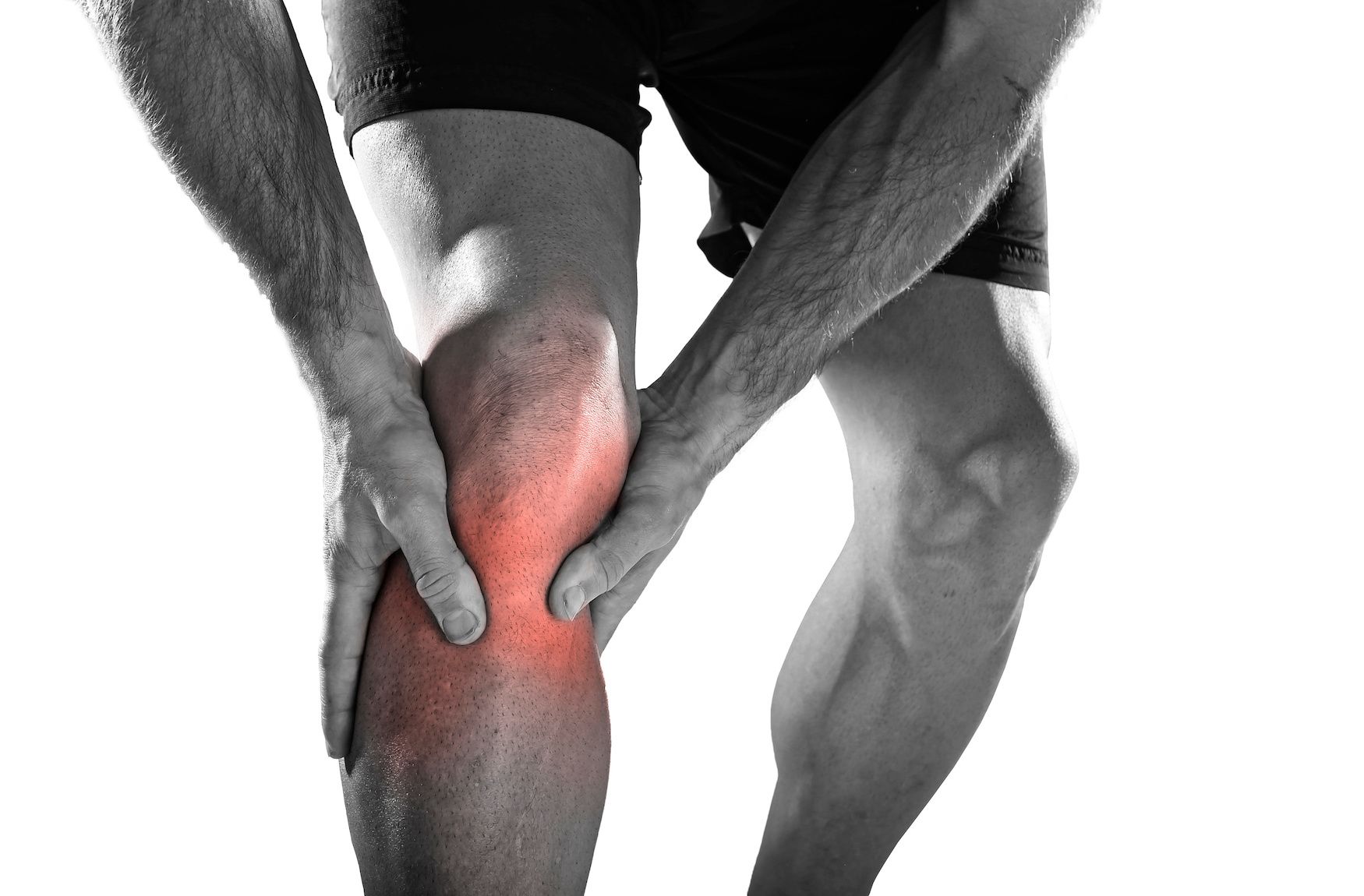
Joint Rom & Connective tissue health
A healthy athlete out performs, and has more fun, then an injured or unhealthy one. Athleticism and health begin at the joint and its requisite mobility. You must be able to move into positions which your sport and skill require, as well as positions needed for movement training. You cant strengthen you body in places you can't move. So its simply a priority of function that atheltes develop the basic body control and range of motion profiles needed for life and sport. Injuries almost always occur at end ranges of motion. Dedication to building body control and connective tissue elasticity at the joint first is our primary focus for every athlete.

Running Mechanics & Footwork
Running is the most vital and important skill for an athlete. Running with precision is critical for success, and injury prevention. Running/sprinting is a skill that requires a heavy focus on foot and ankle positions for solid ground contact, hip and knee range of motion for movement order, and practice of course for rhythm and timing. Many overuse problems, knee injuries, sprains, strains and poor performance can be due to poor internal organization arising from how an athlete runs, and ultimately connects to the ground inside multiple planes and shapes. Building body control and spatial awareness during acceleration, and more importantly deceleration, will improve performance and reduce common sprains and strains due to poor movement organization. Improving HOW an athlete runs, will make them faster, and sets the stage for healthy athletic development into adulthood.
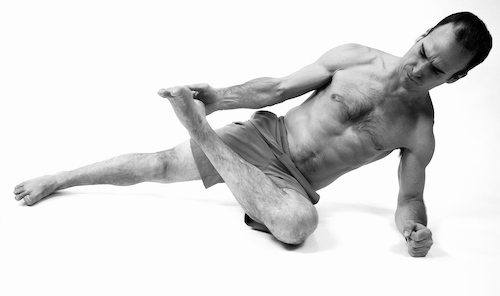
End Range Strength Training
Injuries occur for a very basic reason.
Force > Capacity.
When forces accumulate too rapidly at a particular area which those tissues cannot absorb or manage those tissues tear. By combining basic strength and general physical preparation with specific end range strength training we aim to teach the body how to manage forces at end range (where injury rates are highest) as well as help the athlete learn how navigate those positions to improve the athletes internal movement profile.
"It is easier by far to build strong children than repair broken men" - Fredrick Douglas
